
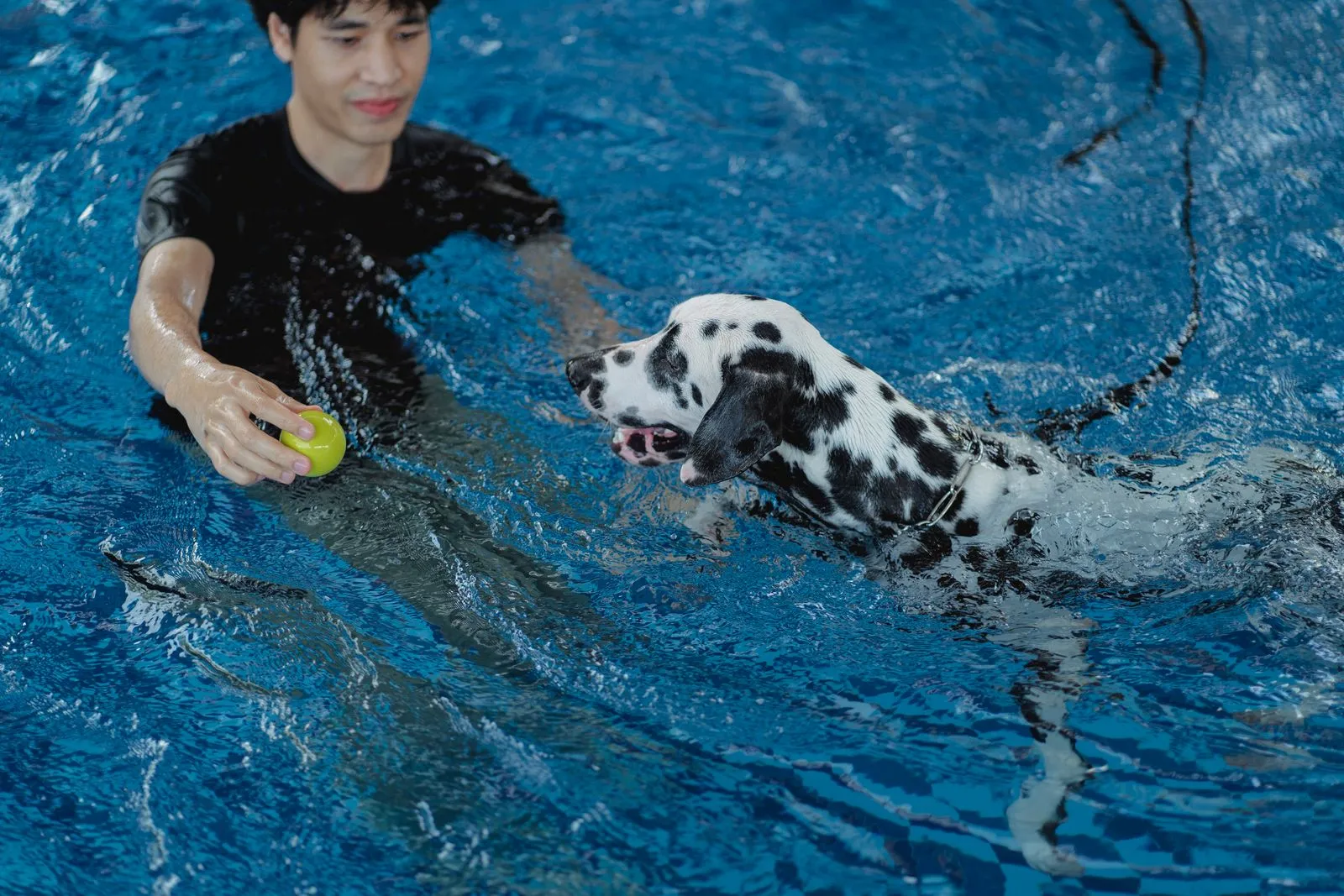
Feeling comfortable in the water can take time, and every swimmer’s starting point is different. Adaptive swim lessons can make learning more manageable by adjusting activities, instruction, and pacing to the individual. Instead of rushing toward a particular skill, lessons can build familiarity through small, achievable steps and repeatable routines. With patient guidance and consistent practice, swimmers can gradually develop trust in the water, recognize their progress, and take part with greater ease.
Start With What Feels Manageable
A first lesson does not need to begin with swimming. A swimmer might start by watching the pool, sitting near the edge, or getting used to the sound and feel of the water. These are meaningful steps when they help someone feel secure enough to continue. A teacher can learn what the swimmer finds comfortable and use that information to plan a sensible starting point.
From there, activities can be introduced one at a time. A swimmer may practise putting a hand in the water before trying a splash, or hold a trusted adult’s hand while standing in a shallow area. Keeping each step clear and achievable helps reduce pressure. If a task feels too difficult, the teacher can simplify it or return to a familiar activity.
Make Progress Personal
Water confidence does not look the same for everyone. One swimmer may feel proud of entering the pool independently; another may value staying in the water for a little longer or practising a new movement. Personal goals give lessons a useful direction without comparing one swimmer with another. They also help families and instructors notice progress that might otherwise be overlooked.
An instructor can adapt support as a swimmer’s needs change. That may mean using a visual cue, allowing extra time to respond, changing the activity, or offering a brief pause. Clear, predictable instructions can make it easier to understand what comes next. The aim is not to remove every challenge, but to make each challenge appropriate and supported.
Use Familiar Routines
A steady lesson structure can make the pool feel more predictable. For example, a session might begin with a familiar greeting, move into a warm-up activity, practise one or two skills, and finish with a preferred game or calm transition. When swimmers know the general sequence, they can focus more attention on the water and the activity itself.
Routines should support the swimmer, not become rigid rules. An instructor can keep familiar elements while adjusting the session for energy, comfort, or changing circumstances. Families can share useful details before lessons, such as communication preferences, sensory considerations, or activities that help the swimmer settle. This gives the instructor practical information for creating a more comfortable experience.
Let Practice Build Familiarity
Confidence often grows through returning to skills in a calm, consistent way. Repeating a simple activity can help a swimmer become familiar with the water, understand the instruction, and recognize what success feels like. Practice does not need to be lengthy or intense. Short activities with breaks can be more helpful than pushing through signs of discomfort.
Progress may include pauses, repeated attempts, and days when a swimmer prefers to revisit an earlier step. That is useful information, not a reason to rush. Instructors can acknowledge effort specifically, such as noticing a relaxed grip or a willing approach to the pool edge. Families can reinforce the same approach by praising participation and sharing small wins after lessons.
Adaptive lessons can support water confidence by meeting swimmers where they are, breaking learning into manageable steps, and making practice feel familiar. Progress is most useful when it reflects the swimmer’s own comfort and goals. To discuss an individual approach, contact Harbour Adaptive Swim and share what would help your swimmer feel at ease.